In-House Admin vs Virtual Admin Support for Therapy Practices
If you run a therapy practice, you already know this tension.
You want structure. You want reliability. You want someone who understands your systems, your clients, and your compliance obligations.
But you are also carrying the weight of payroll, supervision, coverage gaps, and the quiet anxiety of “What happens when admin breaks down?”
For many clinicians, the question isn’t whether to get help.
It’s what kind of help actually supports the way a mental health practice works.
This is where the comparison between in-house admin and virtual admin support for therapy practices becomes less about cost and more about operational fit.
Let’s unpack this calmly and clearly.
What “Admin Support” Actually Means in a Therapy Practice

An Admin Support in action
Before comparing models, it’s important to define the work itself.
Administrative support in a mental health practice includes the non-clinical systems that keep care accessible, ethical, and sustainable. This means:
Scheduling and rescheduling sessions
Intake coordination and documentation flow
Insurance verification and benefits checks
Credentialing and re-credentialing follow-ups
Billing coordination and claims status tracking
Client communication that respects boundaries and privacy
Internal workflows that prevent clinician overload
This is not generic assistant work.
In practical terms, admin in therapy is risk-sensitive, emotionally adjacent, and process-heavy.
Mistakes don’t just slow things down; they erode trust.
The In-House Admin Model: Where It Works - and Where It Breaks
Hiring an in-house administrative staff member is often the first instinct for growing practices.
And in some cases, it works well.
When In-House Admin Can Make Sense
An in-house admin role can be effective when:
Your practice has consistent, predictable volume
You have the time and capacity to train and supervise
Your workflows are already well-documented
You can afford downtime during onboarding or turnover
You need physical presence for front-desk operations
For larger group practices with stable infrastructure, this model can feel familiar and reassuring.
But that familiarity often hides friction.
Common Challenges with In-House Admin in Therapy Practices
Here’s what clinicians don’t always anticipate:
Credentialing delays stall growth when one person owns the process
Scheduling bottlenecks happen during sick days, PTO, or burnout
Turnover resets everything, including training time and institutional knowledge
Supervision adds to a clinician's load, not reduces it
HIPAA-adjacent risk increases when systems live in one person’s head
And quietly, clinicians start doing “just a few admin tasks” again.
That creep is real. And exhausting.
Virtual Admin Support for Therapy Practices: What This Model Really Is
There’s a misconception that virtual admin support is simply “remote assistance.”
That’s not accurate, at least not when done correctly.
Virtual admin support for therapy practices is a distributed, systems-based model where administrative operations are handled by trained professionals who specialize in mental and behavioral health workflows.
This means the support is:
Process-driven, not personality-dependent
Documented, not improvised
Redundant by design, not fragile
Built around compliance-aware communication
In other words, the work is centralized—even if the people are not.
How Virtual Admin Support Functions in Practice
This is where clarity matters.
A structured virtual admin partner does not “replace” your practice culture.
It supports it operationally.
A Simplified Workflow Breakdown
Here’s what this typically looks like:
Practice Intake & Systems Mapping
Existing workflows, tools, and bottlenecks are documented.Role Definition & Boundaries
Clear lines between clinical, administrative, and financial tasks.Process Standardization
Scheduling rules, intake steps, and escalation protocols are formalized.Execution & Monitoring
Tasks are handled consistently, with visibility into progress.Ongoing Optimization
Systems are refined as the practice grows or changes.
This structure is what prevents the admin from collapsing during growth spurts, staff changes, or seasonal demand.
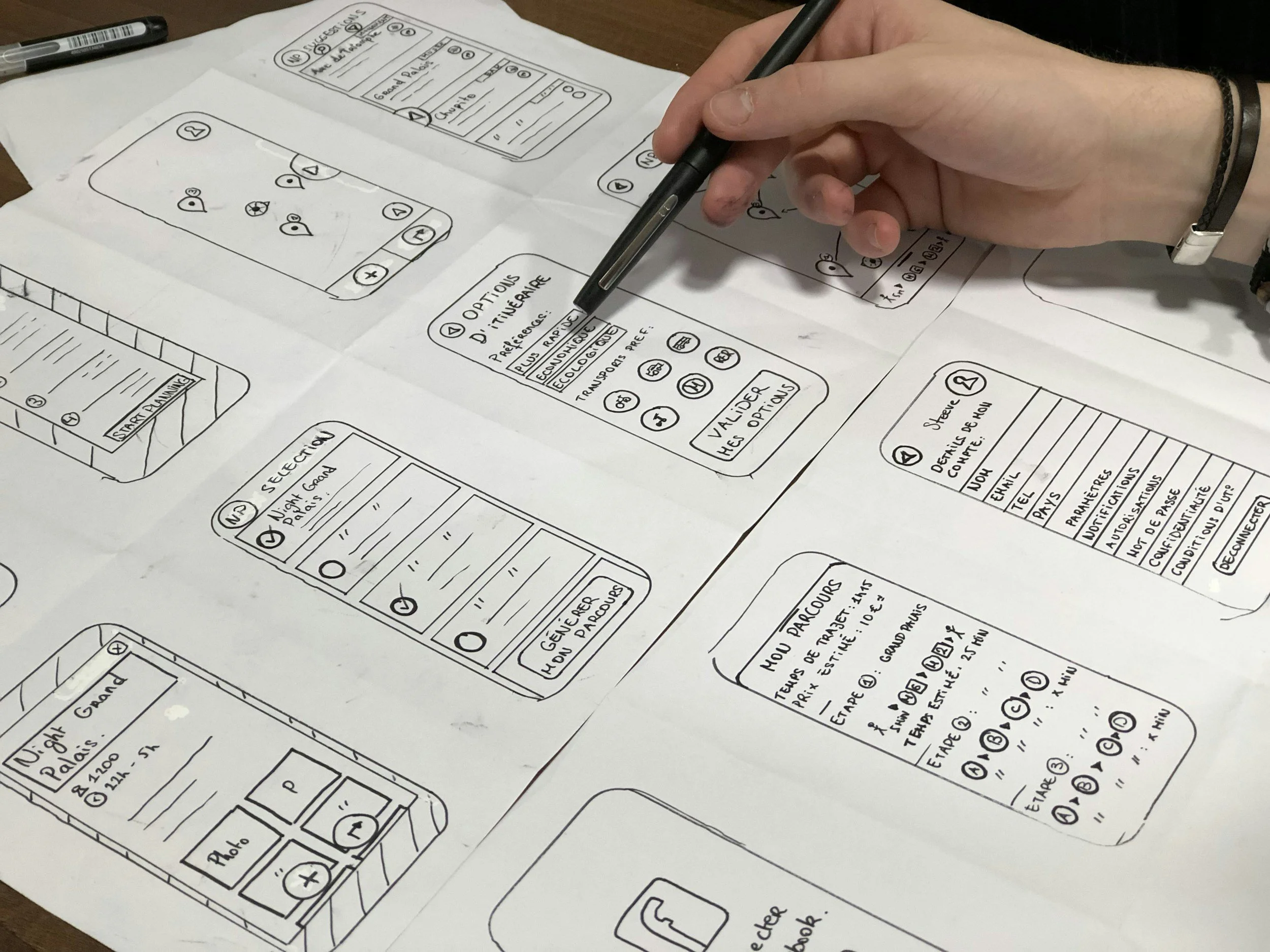
A VA practicing intake and systems mapping
When Virtual Admin Support Is the Better Fit
Virtual admin support tends to work best when:
Clinicians are already stretched thin
Credentialing and insurance follow-ups are slowing revenue
Scheduling issues are impacting client experience
The practice is growing faster than its internal systems
You want support without becoming an HR manager
It is especially effective for solo therapists transitioning to group practice—and for group practices that have outgrown informal admin processes.
When It May Not Be the Right Choice
To be precise, virtual admin support is not ideal when:
Your practice requires full-time physical front-desk coverage
You have no documented systems and are unwilling to build them
You expect reactive, on-demand task handling without structure
You want the admin to make clinical or judgment-based decisions
Clarity here prevents frustration on both sides.
Common Misconceptions That Create Bad Decisions
Let’s address a few directly.
“In-house means more control.”
Control comes from systems, not proximity.
“Virtual support is impersonal.”
Poorly designed systems feel impersonal. Well-designed ones feel relieving.
“I’ll lose oversight.”
Oversight improves when work is documented, trackable, and repeatable.
The real risk is choosing a model without understanding your operational maturity.
Decision Paths: DIY, In-House, or Virtual Support
If you’re unsure where you fall, this framing helps.
DIY admin works temporarily for very early-stage solo practices
In-house admin works for stable practices with internal management capacity
Virtual admin support works for practices prioritizing sustainability, scalability, and clinician focus
The question is not what should I do forever?
It’s what supports the next stage of my practice without burning me out?
A Note on Operational Partnership
Some practices don’t just need task execution.
They need operational clarity.
This is where a consultant-first virtual admin partner differs from generic VA services.
Instead of asking, “What do you want us to do?”
The better question is, “What’s breaking in your operations—and why?”
That distinction matters.
Frequently Asked Questions
1. Is virtual admin support secure for therapy practices?
Yes, when designed for mental health workflows. Proper virtual admin support uses secure systems, clear access boundaries, and documented processes. Admin staff handle scheduling, intake coordination, and insurance tasks without accessing clinical records or providing clinical input.
2. Can virtual admin support replace an in-house admin?
Often, yes. Virtual admin support can fully manage non–front-desk tasks like scheduling, intake follow-ups, credentialing coordination, and billing support. Practices that need constant physical presence may use a hybrid model.
3. How do I know if my practice is ready?
If admin work is pulling you away from clinical care, slowing growth, or causing burnout, your practice is ready. Readiness depends more on using clear systems than on practice size.
What Next?
If you’re evaluating virtual admin support for your therapy practice, it can help first to understand where your current systems are holding you back—and where they’re quietly costing you energy.
HireGaynell works with mental and behavioral health practices as an operational partner, not just a task provider, supporting scheduling systems, credentialing workflows, admin processes, and practice infrastructure with a deep understanding of clinical realities.
Whether you’re clarifying your next move or simply trying to reduce admin strain, structured insight often brings relief before any decision is made.
Admin support should not feel like another thing to manage.
When it works, it creates space for clinicians to focus, for practices to grow, and for care to stay at the center.