The True Cost of Administrative Errors in Mental Health Practices
Administrative mistakes rarely feel dramatic in the moment.
A form gets filed late.
An insurance panel update is missed.
A client intake packet sits in a queue for an extra day.
But in a therapy practice, small administrative errors compound quietly. And over time, the cost becomes real.
If you’ve ever stayed late fixing billing issues, tracking down credentialing updates, or manually rescheduling clients after a calendar conflict, you’ve felt the weight of admin errors in a therapy practice - even if you didn’t call it that.
Let’s slow this down and define what’s actually happening.
What Are “Admin Errors” in a Therapy Practice?
Admin errors in a therapy practice refer to breakdowns in non-clinical systems that disrupt scheduling, billing, credentialing, documentation, or communication.
This means the issue is not clinical judgment.
It’s operational infrastructure.
In practical terms, these errors often show up as:
Missed or duplicated appointments
Incomplete intake paperwork
Delayed insurance credentialing approvals
Incorrect billing submissions
Claims denials due to documentation inconsistencies
Inaccurate fee schedules
Follow-up tasks falling through the cracks
These are not dramatic failures. They are system failures.
And most therapists don’t enter private practice because they love systems.
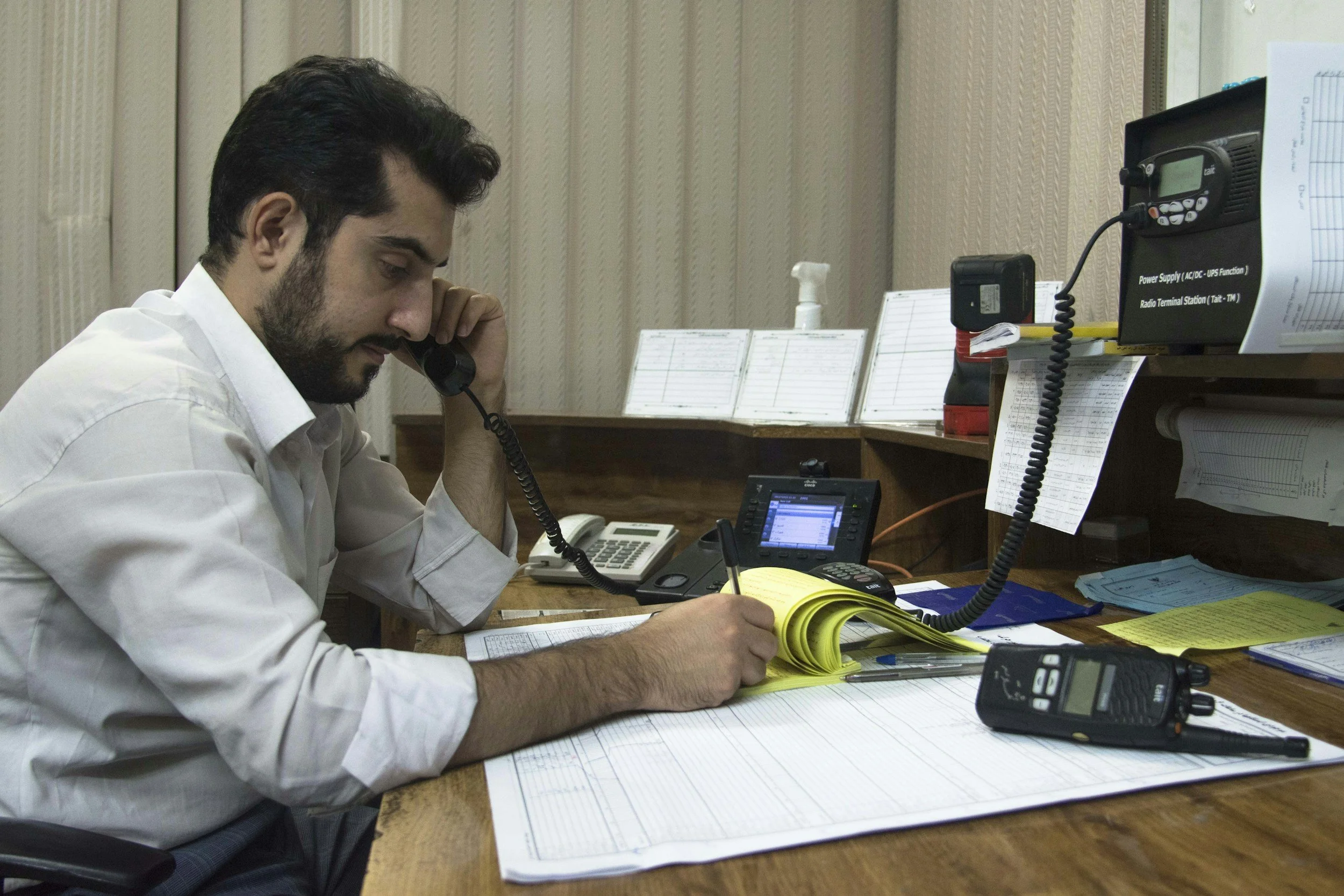
A Therapist is working on administrative tasks
Why Administrative Errors Matter More in Mental Health Practices
Mental health practices are uniquely vulnerable to operational breakdowns.
Why?
Because therapy workflows are high-touch and relationship-based. Clients are often in vulnerable states. Delays feel personal. Inconsistencies erode trust.
And operational friction increases clinician burnout.
When a client’s intake paperwork is incomplete, and the first session is delayed, it’s not “just admin.”
When credentialing paperwork stalls and you can’t accept referrals, it’s not “just admin.”
When claims are denied, and you spend evenings fixing them, it’s not “just admin.”
It’s emotional labor layered on top of clinical labor.
We see this repeatedly:
Solo therapists juggling scheduling and billing between sessions
Group practices struggling with inconsistent front-desk workflows
Credentialing delays limiting growth
Burnout driven by non-clinical overload
The cost is not only financial. It’s cognitive.
The Hidden Costs of Admin Errors Therapy Practice Owners Overlook
Let's be honest: you didn't spend years in grad school and thousands of hours earning your license because you had a burning passion for filing systems and insurance spreadsheets.
You’re in this to change lives.
But here’s the cold, hard truth: a messy "back office" is a quiet thief. It doesn't just steal your time; it eats your profits, drains your empathy, and keeps you awake at 2:00 AM wondering if you actually sent that billing statement.
Administrative errors are rarely just "oops" moments; they have a compounding effect on your bottom line, your reputation, and your sanity.
Let’s go through the hidden costs most owners overlook before they become a crisis.
1. Revenue Leakage
Insurance claims are denied due to small errors.
Missed charges.
Unbilled sessions.
Expired authorisations.
Each one feels minor.
But recurring billing errors compound. A 3–5% leakage over months becomes significant.
And often, the issue is not effort. It’s process design.
If your billing workflow is reactive instead of systematic, errors become inevitable.

A 3–5% leakage over months becomes significant.
2. Credentialing Delays That Stall Growth
Therapist insurance credentialing is a compliance-heavy process. It requires accurate documentation, follow-up, tracking, and adherence to timelines.
When credentialing submissions are incomplete or not properly monitored, panel approvals are delayed.
This means:
You cannot accept insurance referrals
You turn away potential clients
You experience unpredictable revenue flow
If you’re navigating this alone, structured support around your Insurance Credentialing & Billing systems can prevent long-term bottlenecks.
3. Client Experience Friction
How intake systems affect client experience is often underestimated.
If a prospective client fills out paperwork and hears nothing for 48 hours, what happens?
They may assume:
You’re unavailable
You’re disorganized
Or they’re not a priority
Most of the time, that isn’t true.
But perception shapes trust.
Administrative precision communicates safety. In mental health, that matters.
4. Clinician Burnout from Non-Clinical Work
Let’s talk honestly.
Many therapists spend evenings reconciling EHR data, chasing unpaid claims, or reorganizing calendars.
You trained for clinical work.
Yet operational cleanup takes over your mental bandwidth.
Admin overload therapy practice owners experience is one of the most common drivers of burnout in small and mid-sized practices.
And the burnout rarely comes from one catastrophic failure.
It comes from repeated small inefficiencies.
Common Misconceptions About Administrative Mistakes
There are a few patterns we consistently observe.
“It’s Just a Busy Season”
Sometimes. But often it’s a structural issue.
If the same errors repeat, billing backlogs, credentialing delays, and intake confusion, it’s not seasonal.
It’s systemic.
“I Just Need to Hire a VA”
Possibly. But not always.
If your underlying workflow is unclear, adding a virtual assistant can multiply confusion.
Without defined processes, task delegation becomes guesswork.
Before hiring, you need operational clarity.
“My EHR Should Handle This”
EHR platforms are tools.
They are not operational strategies.
Software does not fix unclear workflows.
It amplifies whatever system already exists.
How to Identify and Reduce Admin Errors
Let’s make this concrete.
Here’s a simple three-step operational review framework we use when evaluating therapy practice admin systems.
Step 1: Map the Full Workflow
Document each stage:
Client inquiry
Intake paperwork
Scheduling
Insurance verification
Session documentation
Billing submission
Payment reconciliation
Where does information transfer between steps?
Most admin errors therapy practice owners experience happen during transitions.
Step 2: Identify Friction Points
Ask:
Where are delays happening?
Where are tasks duplicated?
Where do we rely on memory instead of checklists?
Where are claims denied most often?
Operational friction often hides in informal processes.
If a step only lives “in your head,” it’s fragile.
Step 3: Implement System Safeguards
This might include:
Standardized intake checklists
Credentialing tracking dashboards
Billing audit cycles
Defined task ownership
Weekly reconciliation reviews
The goal is not complexity.
It’s predictability.
Predictability reduces stress.
This applies when:
You feel consistently behind on administrative tasks
Claims denials are recurring
Credentialing feels confusing or slow
You’re staying late to fix operational issues
Growth feels stalled due to backend friction
This may not apply when:
You’re in an early startup phase with low volume
Your systems are documented and running smoothly
Denials or delays are rare and quickly resolved
Not every practice needs external operational consulting.
But every practice needs operational clarity.
Operational Consulting + Specialized Support
This works when:
Systems are fragmented
Credentialing and billing require restructuring
You want infrastructure, not just task completion
This is where a specialist operational partner differs from a generic VA.
We don’t just execute tasks.
We evaluate workflow architecture.
We look at how your Insurance Credentialing & Billing systems integrate with intake, documentation, and reconciliation.
Because isolated fixes rarely hold.
Why Addressing Admin Errors Early Protects Your Practice Long-Term
Therapy practices operate in a trust-sensitive environment.
Operational stability signals professionalism.
It protects client relationships.
It reduces clinician stress.
It improves revenue predictability.
Admin errors therapy practice owners tolerate in year one often become structural liabilities in year three.
The earlier you address workflow integrity, the less reactive you become later.
What To Do Now
If you’re noticing recurring administrative friction in your practice, you don’t need to overhaul everything overnight.
Start by asking:
Where do mistakes repeat?
Where does information get lost?
Where am I personally compensating for weak systems?
If you’re exploring structured support for the administrative side of your practice, particularly around credentialing and billing workflows, at HireGaynell, we’re here to have that conversation.
Thoughtfully.
Ethically.
Without pressure.
Because operational clarity is not about doing more.
It’s about designing your practice so it runs with less strain, for you and for the clients who trust you.